Divorce Self-Help Books
Over fifty percent of first marriages end in divorce in the United States. Sixty percent of second marriages end in divorce, and the percentage of third marriages ending in divorce is even higher. These are bracing statistics and represent a sweeping change in the experience of marriage over the last several generations. Read more »
Recommended Self-Help Books on Divorce
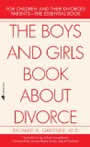 The Boys and Girls Book About Divorce
This self help book is designed for children ten years of age and older. Psychiatrist Richard Gardiner addresses children directly about their feelings after the divorce, fears of being abandoned, how to handle anger feelings, etc. He gives advice to children about how to get along with their divorced mothers and fathers and what to do when the child feels caught in the middle between battling parents. This book is a superb resource for children of divorce. 1985, Bantam
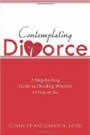 Contemplating Divorce: A Step-by-step Guide to Deciding Whether to Stay or Go
42% of married Americans have considered divorce at some point in their marriage. This self help guide to making one of life's most difficult decisions helps the reader gain clarity and insight into marital problems by helping you to examine your assumptions and expectations of marriage. The author helps you explore the troubling issues in your marriage and then details the next steps to take, whether you decide to stay or go. 2008, New Harbinger
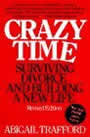 Crazy Time: Surviving Divorce and Building a New Life
This book charts the emotional journey of the breakup of a marriage identifying the common phases that lead to separation, divorce, and eventually a new life. A common-sense self help book about the crazy process that more than half of us go through. 1992, Perennial
 The Good Divorce: Keeping Your Family Together When Your Marriage Comes Apart

Based on two decades of research, this self help book presents the surprising finding that in more than 50% of divorces couples end their marriages yet preserve their families. Dr. Ahrons shows couples how they can move beyond the confusing, even terrifying, early stages of breakup and learn to deal with the transition from a nuclear to a ?binuclear? family ? one that spans two households and continues to meet the needs of children. The Good Divorce dispels the myth that divorce inevitably leaves emotionally troubled children in its wake. 1995, Harper
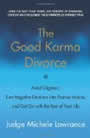 The Good Karma Divorce: Avoid Litigation, Turn Negative Emotions into Positive Actions, and Get On with the Rest of Your Life
What if you could reverse the stereotype of a terrible, stressful divorce and move regret-free through this process? Divorce is unfortunate but it does not need to become the defining moment for the rest of your life. Michele Lowrance, a practicing domestic-relations judge, has created this revolutionary guide which offers concrete advice, real-life examples, no-nonsense tools, and helpful checklists. She shows you how to create and follow your personal manifesto ? a kind of road map that keeps you focused on the big picture. Then, harnessing your raw emotions, avoiding collateral damage, and using transformative confrontation, you can avoid the black hole of litigation and create a good karma divorce, opening up a new world of hope and possibility. 2010, HarperOne
 Growing Up With Divorce: Helping Your Child Avoid Immediate and Later Emotional Problems
Dr. Kalter offers divorced parents useful information to help their children avoid emotional problems, including strategies for helping children cope with anxiety, anger and confusion over the years subsequent to the divorce. There are step-by-step instructions for parents about how to sensitively address their children?s spoken and unspoken needs. 2005, Free Press
 Helping Your Kids Cope with Divorce the Sandcastles Way
This self help book is filled with information, advice, and wise counsel for divorcing parents who are eager to spare their children unnecessary pain. It is a comprehensive self help resource to help parents understand what children of all ages may be experiencing as they move through the divorce process with their parents. 1999, Random House
 Mom's House, Dad's House: Making Two Homes for Your Child
Author Ricci advises separated, divorced and remarried parents about setting up a good working relationship with the ex-spouse in order to make two loving homes for their children. Practical self help advice on the legal, financial and emotional realities on creating two happy and stable homes for children in the aftermath of a divorce. 1997, Fireside
 Stepwives: Ten Steps to Help Ex-Wives and Step-Mothers End the Struggle and Put the Kids First
Once bitter enemies (Louise married Lynne's ex-husband), the authors, with the assistance of psychologist Krausz, created a ten-step program called Co-Mamas to help ex-wives and step-mothers build a healthy relationship that puts children first. This self help book offers practical suggestions for developing empathy and learning to lessen tension and support the children caught in a divorce. 2002, Fireside
 Surviving the Breakup: How Children and Parents Cope with Divorce
Based on the Children of Divorce Project, the landmark study of how children, adolescents and their parents cope during the first five years after a family dissolution. The book explains how the adjustment of a child depends more on what happens after the divorce than on conditions in the pre-divorce family; the father-child relationship does not diminish in importance regardless of how infrequent their contact becomes; and the child?s anger and yearnings can last for an extraordinarily long time. This self help work sparked a new debate about the impact of divorce on the family which continues into the present. 1996, Basic Books
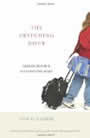 The Switching Hour: Kids of Divorce Say Good-bye Again
Written from the child's point of view, this self help book will help parents simplify family life as children transition between parents. Filled with facts and practical advice, The Switching Hour stresses that, even with the best intentions and parenting skills, children and parents must come to terms with living divided lives. 2008, Abingdon Press
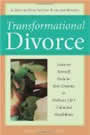 Transformational Divorce: Discover Yourself, Reclaim Your Dreams & Embrace Life's Unlimited Possibilities
Transformational Divorce helps women use the transformational nature of divorce to create a full, multifaceted new life. With specific emphasis on psychological and spiritual growth, Karen Kahn Wilson, a psychologist who specializes in working with divorced women, focuses readers beyond immediate divorce recovery by teaching them step-by-step techniques for creating a fulfilling, independent life. In a warm, friendly woman-to-woman tone, Wilson helps divorced women reclaim their deep, inner strength and sense of self through an eleven-tiered approach. 2003, New Harbinger
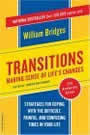 Transitions: Making Sense of Life's Changes, Revised 25th Anniversary Edition
This revered self help classic has helped hundreds of thousands of readers cope with change by providing an elegantly simple yet profoundly insightful roadmap of the transition process. 2004, Da Capo Press
 We're Still Family: What Grown Children Have to Say About Their Parents' Divorce
Twenty years later, Prof. Ahrons followed up her original research, reported in The Good Divorce. Her new self help book provides unique insights into how divorce affects children.? She asked the ?kids? ? now 30-somethings -- what made a difference to them when their parents were divorcing.? Since children are very tuned into-and upset by-parental warfare, they said that "how parents relate to each other" is key. Parents battle over joint custody schedules, oblivious to how stressful the transitioning between parents can be. Ahrons reminds parents it's not the quantity of time they spend with their child, but the quality of relationship they establish. It?s the reliability, consistency and genuine interest in their lives that matter most to children. Ahrons? supportive guidebook should aid anyone trying to make a "good divorce" better. 2005, Harper Paperbacks