Health and Wellness Self-Help Books
The self help books listed below emphasize health and wellness: not only the absence of disease, but the presence of well-being, of quality of life.
Proper nutrition, exercise, stress management, care of the body and the mind as a whole -- all are tenets of a balanced and healthy lifestyle. These self help books are filled with information and resources to help you feel better, live longer, and have more quality of life.
Recommended Self Help Books on Health and Wellness

This 2-CD guided meditation set is a delicious combination of evocative words, original music and the soothing voice of Sandi Anders. Learn to deeply and fully relax using the Deep Rest Meditaion, a guided body scan relaxation. This meditation will help you to create the Relaxation Response which combats the ravages of chronic stress.
 Back Care Basics: A Doctor's Gentle Yoga Program for Back and Neck Pain Relief
This classic self help book has helped many people become free of chronic back and neck pain. Dr. Schatz offers simple, practical techniques to correct alignment problems, cope with stress, and help you become more aware of the early warning signs of painful flare-ups. 1992, Rodmell Press
 Body for Life: 12 Weeks to Mental and Physical Strength
This very popular self help book offers a safe and straightforward approach to building a better, healthier body. Phillips emphasizes good nutrition and weight machine work (or free weights) in a graded twelve-week program, with lots of encouragement. An accompanying website is filled with personal stories and photographs of ordinary people who've used the program. 1999, HarperCollins
 Breakthrough: Eight Steps to Wellness
In interviews with the most progressive doctors in the field of antiaging medicine, health pioneer Suzanne Somers uncovers enlightening, lifesaving information for a natural, drug-free approach to living. In Breakthrough she shares the 8 STEPS TO WELLNESS that form the cornerstone of breakthrough medicine. Readers will discover how to balance hormones through bioidentical (not synthetic, cancer-causing) hormone replacement; fix thyroid problems; sleep 8 to 9 hours each night without drugs; improve memory; detect diabetes early; restore hearing; preserve eyesight; and much more! 2009, Three Rivers Press
 Coming to Our Senses: Healing Ourselves and the World Through Mindfulness
From the book: "Awareness offers a safe haven in which to restore ourselves and rest in a vital and dynamic harmony, tranquility, creativity and joyfulness NOW, not in some far off, hoped for future time when things are 'better' or we have gotten things under control, or have 'improved ourselves.'" Katat-Zinn blends his personal story with compelling and practical guidance for self-healing. 2005, Hyperion
 Dr. Dean Ornish's Program for Reversing Heart Disease
This self help book is based on Ornish's extensive research which shows that his "opening your heart" program may result in the reversal of coronary artery blockage. He includes case histories of people who followed the program and offers suggestions on how to control diet, quit smoking and how to exercise. 1992, Ballantine Books
 Eat, Drink, and Be Healthy: The Harvard Medical School Guide to Healthy Eating
This self help book aims at nothing less than totally restructuring the diets of Americans. The authors take on the USDA food pyramid and blame many of the pyramid's recommendations for much of the current wave of obesity. The book makes an important point: "The thing to keep in mind about the USDA pyramid is that it comes from the Department of Agriculture, the agency responsible for promoting American agriculture -- not from the agencies established to monitor and protect our health." This book combines solid research with matter-of-fact language and gives the reader easily understandable suggestions for living. 2005, Free Press
 Eating Well for Optimum Health: The Essential Guide to Bringing Health and Pleasure Back to Eating
After a thorough rundown of nutritional basics and a primer on vitamins, minerals, fiber, and phytochemicals, Weil unveils what he feels is "the best diet in the world" with 85 recipes that are healthy, tasty, and quick to prepare. He includes a stirring chapter on safe weight loss, tips for eating out, and shopping for food. This self help book is not afraid to lambaste the diet industry and to empower the public with information about which the majority of doctors are ignorant. 2001, Perennial Currents
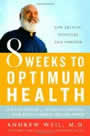
Dr. Weil writes, "Health is a dynamic and temporary state of equilibrium destined to break down as conditions change." His Eight Week Program gradually introduces changes into your diet and daily routine; it is likely that anyone trying it will probably feel better in a week. The Eight Week Program sets up a foundation for healthy living that will keep your body's natural system in peak working order. This self help book includes a dozen tailored programs that address the specific needs of pregnant women, senior citizens, overweight people, and those at risk for cancer. 2007, Ballantine Books, Revised edition
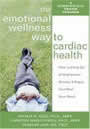
Recent research demonstrates that negative emotions, particularly anger, anxiety, and depression, have a huge impact on heart health. This self help book presents a complete emotional regulation program to readers struggling with emotional factors that contribute to heart disease. 2005, New Harbinger
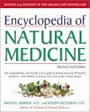 Encyclopedia of Natural Medicine
This self help book shows you how to improve your health through a positive mental attitude, healthy lifestyle, health-promoting diet and supplements, with plenty of practical tips. Learn disease prevention through enhancing key body systems. The book details natural remedies for treating more than 70 ailments. 1997, Three Rivers Press, Revised second edition
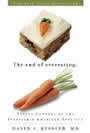 The End of Overeating: Taking Control of the Insatiable American Appetite
Conditioned hypereating is a biological challenge, not a character flaw, says Kessler, a former FDA commissioner. He describes how the food industry, the advertising industry and lifestyle changes have short-circuited the body's self-regulating mechanisms, leaving many at the mercy of reward-driven eating. Since the desire to eat can be overstimulated by an almost infinite variety of diabolical combinations of salt, fat and sugar, more people of all ages are being set up for a lifetime of food obsession. Kessler's book provides a simple food rehab program to fight back; persistence, he says, is all that is needed to make the perceptual shifts and find new sources of rewards to regain control. 2010, Rodale Books, Reprint edition
Revealing the link between physical fitness and psychological well-being, this self help book includes many practical strategies designed to improve the reader?s enjoyment of and adherence to an exercise program. Useful self-monitoring forms are included in this self help book. 1998, Fitness Information Technology
 Fibromyalgia and Chronic Myofascial Pain: A Survival Manual
This updated second edition of the classic fibromyalgia survival manual includes an extensive set of healing tools including targeted bodywork for painful trigger points and strategies to help cope with chronic pain, sleep problems, and the numbing effects of "fibro fog." Also included is coverage of promising new research, evaluation of new treatments, and the latest information on medication. 2001, New Harbinger

Bill Moyers explores the new mind/body medicine, showing how it is being practiced in the treatment of stress, chronic disease, and neonatal problems in several American hospitals. He examines the chemical basis of emotions and their potential for making us sick (and making us well). He explores the fusion of traditional Chinese medicine with modern western practices and takes a careful look at alternative healing therapies. 1995, Main Street Books

Goldberg and Elliott describe how using a combination of aerobic activities and strength training can reduce your risk of certain diseases as well as alleviate symptoms. This self help book is filled with examples and stories from their sports medicine practices. 2000, Wiley
 Healthy Aging: A Lifelong Guide to Your Well-Being
Dr. Weil offers a convincing portrait of aging as a natural part of life that can be active, productive and satisfying. Using the examples of his mother, who died at age 93; centenarians from Okinawa and Sardinia; and myths and legends, he explores common Western beliefs and attitudes about aging and urges readers to develop healthier perspectives. Dr. Weil assesses the growing and lucrative field of anti-aging medicine, takes the position that aging is not reversible, and offers many ways for readers to prevent conditions and illnesses that limit mortality so they can ensure well-being into the later years. 2007, Anchor
 Heal Thyself: Lessons on Mindfulness in Medicine
Santorelli, director of the nationally acclaimed Stress Reduction Clinic, explores the ancient roots of medicine and shows us how to introduce mindfulness into the crucible of the healing relationship. He offers many insights and effective methods for cultivating mindfulness in our everyday lives. Practices taught in this self help book include a series of breathing exercises, yoga, and silent meditation. 2000, Harmony/Bell Tower
 The Heart Speaks: A Cardiologist Reveals the Secret Language of Healing
Dr. Guarneri reveals the heart as a multi-layered, complex organ and explores the new science that indicates the heart acts as a powerhouse of its own, possessing intelligence, memory, and decision-making abilities that are separate from the mind. This self help book leads us on a riveting exploration of the heart's mysteries and offers hope and compassion for healing using a wide range of alternative approaches. Surgery is not the only answer. 2007, Touchstone
 Managing Pain Before It Manages You
This popular self help workbook teaches coping skills proven to decrease the discomfort, depression, and anxiety associated with chronic pain. Through hands-on exercises and homework assignments readers are helped to understand the pain process, learn about medications and their affects, and recognize factors that exacerbate or relieve symptoms. 2008, The Guilford Press
 The Mind-Body Diabetes Revolution: A Proven New Program for Blood Sugar Control
Dr. Surwit combines specific relaxation techniques with a solid research background in an effort to help control blood sugar levels. Relaxation routines are broken down into simple daily steps with worksheets enclosed to track your progress. Though this self help book is aimed at diabetes patients, the relaxation techniques are applicable to anyone wishing to incorporate relaxation into their daily lives. 2005, Da Capo Press

Easy to understand, practical advice on improving physical health and leading a happier, more productive life. The book explains the benefits of a healthy mind and body and gives practical ways to improve how you feel today, from how to manage stress, moods, and illness to communicating effectively. This self help book offers guidance that can make a positive impact on your life now and in the future. 1998, DRx, 2nd edition
 Minding the Body, Mending the Mind
Borysenko, director of the mind/body clinic at Harvard Medical School, describes the clinic's ten-week program for learning to care for the body through a medical synthesis of neurology, immunology and psychology. The approach combines meditation, breath control and stretching exercises and mindfulness to ease the stress of illness and exploit the body's natural capacity for healing. 2007, Da Capo Press; Revised edition
 Mind Your Heart: A Mind/Body Approach to Stress Management, Exercise and Nutrition for Heart Health
Casey and Benson offer a balanced and holistic approach to heart health that combines lifestyle changes with cutting edge medical procedures. With this program you can lower your blood pressure and cholesterol, lose weight, increase physical fitness and help prevent and manage heart disease. 2004, Free Press
 Natural Health, Natural Medicine: A Comprehensive Manual for Wellness and Self-Care
Dr. Weil looks at every aspect of health and makes a strong case for relaxation, meditation, healthy relationships, and time in nature. The book includes many suggestions for healthy self-care practices, including supplements and many natural home remedies for specific problems. This is an entertaining, informative and highly opinionated beginner's guide to achieving better health without conventional medicine. 2004, Mariner Books; Revised edition
The Pain Chronicles is an exquisite, meticulous history of medicine's quest to alleviate pain--from the first use of ether for surgery in 1842 to the modern management of chronic pain: drugs like Neurontin and controversial opioids; MRIs; and neuroimaging, which trains patients to literally change their own brains. The personal stories from pain sufferers that Thernstrom includes lift this accomplished medical history to an astonishing record of courage and endurance. In these stories, there is a wealth of knowledge, wisdom, and hope for the rest of us. 2011, Picador
Dr. Jacobs, a Harvard Medical School professor, promotes a drug-free program of healthy sleep patterns based on biofeedback, relaxation, positive thinking, and good sleep habits. His six-week program has been demonstrated to improve sleep in 100% of insomniacs, helping 75% of insomniacs to become normal sleepers, and 90% of insomniacs to reduce or eliminate their use of sleeping pills. 2009, Holt Paperbacks
 The Secret Pleasures of Menopause
Dr. Northrup believes that it's time for you to step forward and learn to enjoy the best years of your life! Even though studies show that menopause doesn't decrease libido, ease of reaching orgasm, or sexual satisfaction, the majority of menopausal women aren't experiencing the pleasure and sexual satisfaction that is their birthright. It is a long-held misconception that menopause signals "the beginning of the end," and nothing could be further from the truth. In this fascinating book, Dr. Northrup candidly guides you toward experiencing life after 50 as the most pleasurable time of your life! 2008, Hay House
Dr. Weil reminds us that we are born with a natural healing system and outlines an eight-week program to implement his suggestions on mind/body interaction, good nutrition, proper use of vitamins and supplements, avoiding environmental toxins, reducing stress and the use of other natural methods to deal with common illnesses. 2000, Ballantine Books
 The Trigger Point Therapy Workbook: Your Self-Treatment Guide for Pain Relief
Trigger point therapy is a self-care tool for alleviating chronic pain caused by a variety of conditions, including arthritis, back pain, carpal tunnel syndrome, fibromyalgia, headache, muscle ache, and repetitive strain injuries. As the author makes clear, all such conditions are related to lack of oxygen in exhausted or injured muscle tissue. Trigger point therapy has been used for decades by doctors, pain specialists, and massage therapists to quickly stimulate the flow of oxygen and promote rapid pain reduction. This book makes the same techniques available to the general public with instructions that are easy to follow, and abetted by an extensive collection of charts and corresponding illustrations. 2013, New Harbinger, Third Edition
 The Wellness Book: A Comprehensive Guide to Maintaining Health and Treating Stress Related Illness
This comprehensive self help book introduces the reader to the essentials of healthy lifestyle including the relaxation response, nutrition, exercise and stress management. An accessible and complete guide for enhancing health and dealing with most illnesses. 1992, Fireside
 Why Zebras Don't Get Ulcers: An Updated Guide to Stress, Stress Related Diseases and Coping
This self help book is a primer about stress, stress related disease and the mechanisms of coping with stress. Sapolsky sites studies of different animals as well as of people of different cultures to highlight his points. The book concludes with a hopeful chapter titled "Managing Stress." 2004, Holt Paperbacks, Third Edition
 The Wild Divine Super Software Bundle Pack, Includes: "Relaxing Rhythms", "The Passage", "Wisdom Quest" & "The Grapher"!
 This four-program bundle brings together the complete Wild Divine experience, combining fascinating interactive gaming experiences with biofeedback tools and expert guidance to enable you and your children to grow healthier and calmer as you enjoy family fun together! The Journey to Wild Divine: The Passage and Wisdom Quest are the first "inner-active" computer adventures that combine ancient breathing and meditation with modern biofeedback technology for total mind-body wellness. Players wearing finger sensors that track heart rate and skin conductance travel through the Realm using the power of thoughts, feelings, breath and awareness. Much more than just a game, each edition is a tool for physical and mental health. Wise teachers guide you through enchanting and mystical landscapes, empowering you with the yoga, breathing and meditation skills needed to complete over 40 biofeedback 'energy' events in each edition. Build stairways with your breath, open doors with meditation, juggle balls with your laughter, and so much more. The Journey to Wild Divine makes biofeedback, a popular method of alternative healthcare, easily accessible and empowers you to take mind-body wellness, literally, into your own hands. Healing Rhythms is a wellness program featuring biofeedback training and expert guidance from Deepak Chopra, MD, Dean Ornish, MD, and Andrew Weil, MD. You'll learn proven techniques to restore your body's natural rhythms, relieve stress, experience deep states of relaxation and enjoy a renewed sense of well-being. The Grapher Expansion Pack enables you to plot and save your skin conductance level, heart rate variability and raw heart data so you can review your results after game play.